03 / Action · High priority
Low-carbon campus and efficient equipment retrofit
- Owner
- School Director + Facilities Manager
- Target timeframe
- 60 days
- Indicative budget
- €70,000
Smart & Sustainable Standard
A framework connecting safety, teaching practices and the responsible use of the marine environment.
Which priority matters most today: safety routines, teaching quality, equipment or access to activities?
Start the conversationYour priorities
Equipment readiness, supervision and emergency procedures underpin every activity.
Clear teaching practices and capable teams support participants at every level.
Marine awareness and community access give nautical education a lasting purpose.
For a nautical centre, the discussion starts with participants, instructors, equipment and the environment.
The S3 perspective
How the destination manages its impact on water, coastlines and habitats through pollution prevention, responsible resource use and biodiversity protection.
Environmental plans, monitoring records and evidence of actions taken.
How the facility measures energy use, improves efficiency and plans for lower emissions and changing climate conditions.
Consumption records, energy measures and documented improvement priorities.
How visitors, members, crews and yacht owners experience the destination, from their first enquiry and arrival to their stay and follow-up.
Guest information, reception procedures, feedback records and staff training.
How the facility protects people, prepares for incidents and maintains the infrastructure and equipment essential to safe operations.
Risk assessments, inspection records, emergency plans and maintenance logs.
How the destination manages safe navigation and access, prepares for disruption and maintains essential activities when conditions change.
Navigation information, operating procedures and continuity arrangements.
How the organisation sets service standards, trains its teams and checks that procedures and applicable requirements are followed.
Service procedures, training records and documented quality reviews.
How digital tools and new ideas improve operations, help teams share information and enhance the guest experience.
Examples of tools in use, documented workflows and implementation records.
How the destination teaches maritime skills, shares knowledge and involves its community in sailing and responsible life at sea.
Education programmes, event records and evidence of community activities.
Protect the living environment.
Understand consumption. Plan the transition.
Make every welcome count.
Protect people. Maintain dependable assets.
Prepare for disruption. Support safe movement.
Turn good service into repeatable practice.
Make new ideas useful in practice.
Pass on a living maritime culture.
The assessment
A review of your documents establishes the facility’s context, current practices and starting point.
Gather information on your facility, activities, procedures and existing certifications.
Review your documents and define the context for the assessment.
Strategic interviews and an on-site assessment inform targeted recommendations and an improvement roadmap.
Involve your operational teams and share the evidence behind your practices.
Review practices on site and develop targeted recommendations and an action plan.
The level recognises the performance assessed. Your action plan guides continued improvement, supported by the exchange of experience.
Share your recognition and use the action plan to guide your next priorities.
Confirm the level and recognised scope, and provide guidance on communicating your recognition.
01
A review of your documents establishes the facility’s context, current practices and starting point.
02
Strategic interviews and an on-site assessment inform targeted recommendations and an improvement roadmap.
03
The level recognises the performance assessed. Your action plan guides continued improvement, supported by the exchange of experience.
Scope, timing and responsibilities are agreed with M3 Monaco before the assessment.
Your roadmap · A report example
01 / Finding · Energy & Climate
The sailing school needs a clearer energy baseline and a planned approach to efficient equipment.
02 / Recommendation
Establish the operating baseline, document renewable supply and prioritise efficient equipment replacement, considering available incentives.
03 / Action · High priority
Adapted from the Marina Wonderland demonstration report. Illustrative examples; budgets and timings require project-specific scoping and validation.
Recognition
Baseline
Establish the foundation for a structured improvement journey.
Advanced
Build on established practices across all eight pillars.
Excellence
Demonstrate strong performance across the whole assessment.
Excellence +
Reach the highest level, with demanding thresholds across every pillar.
| Level | Overall score | Every pillar |
|---|---|---|
| Horizon | ≥ 60% | ≥ 50% |
| Regatta | ≥ 70% | ≥ 60% |
| Flagship | ≥ 80% | ≥ 70% |
| Sovereign | ≥ 90% | ≥ 80% |
Both thresholds must be met. A high average cannot compensate for a pillar below the minimum.
Illustrative example: 87% overall + 68% lowest pillar = Regatta.
Recognition in practice
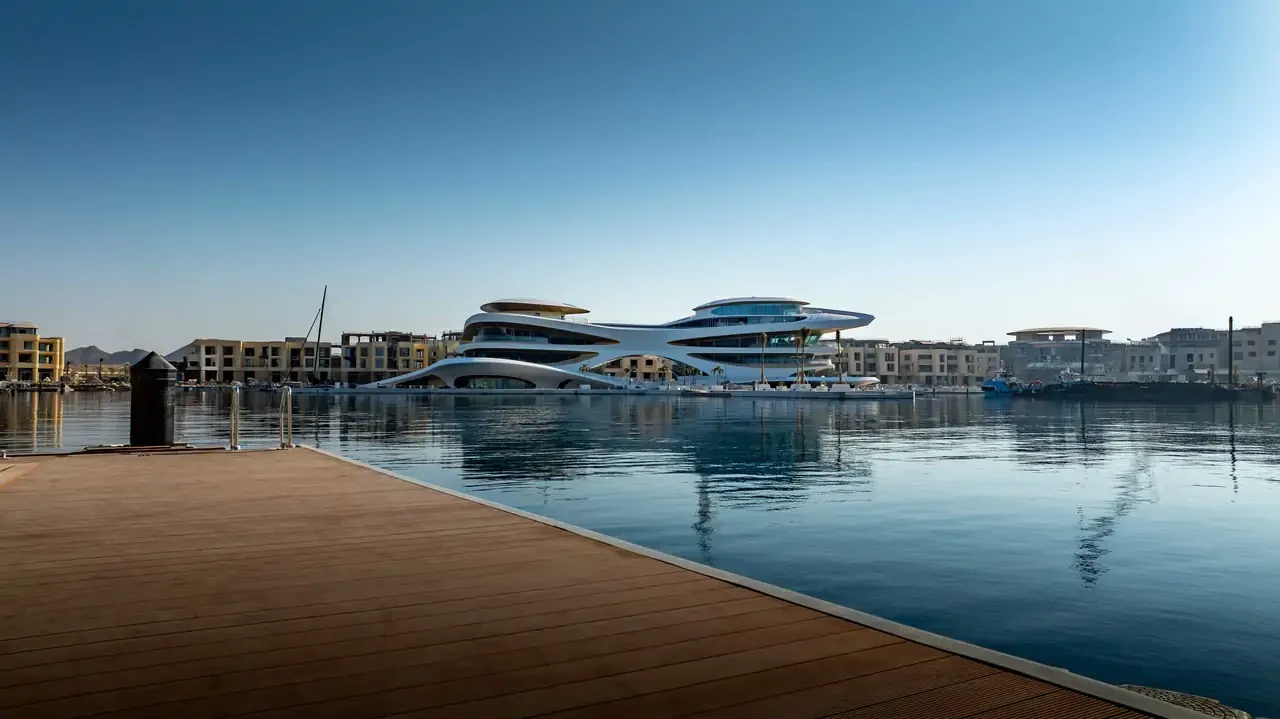
Saudi Arabia · Sovereign
AMAALA’s press release recognises its yacht club, marina and sailing school together.
Read the full announcement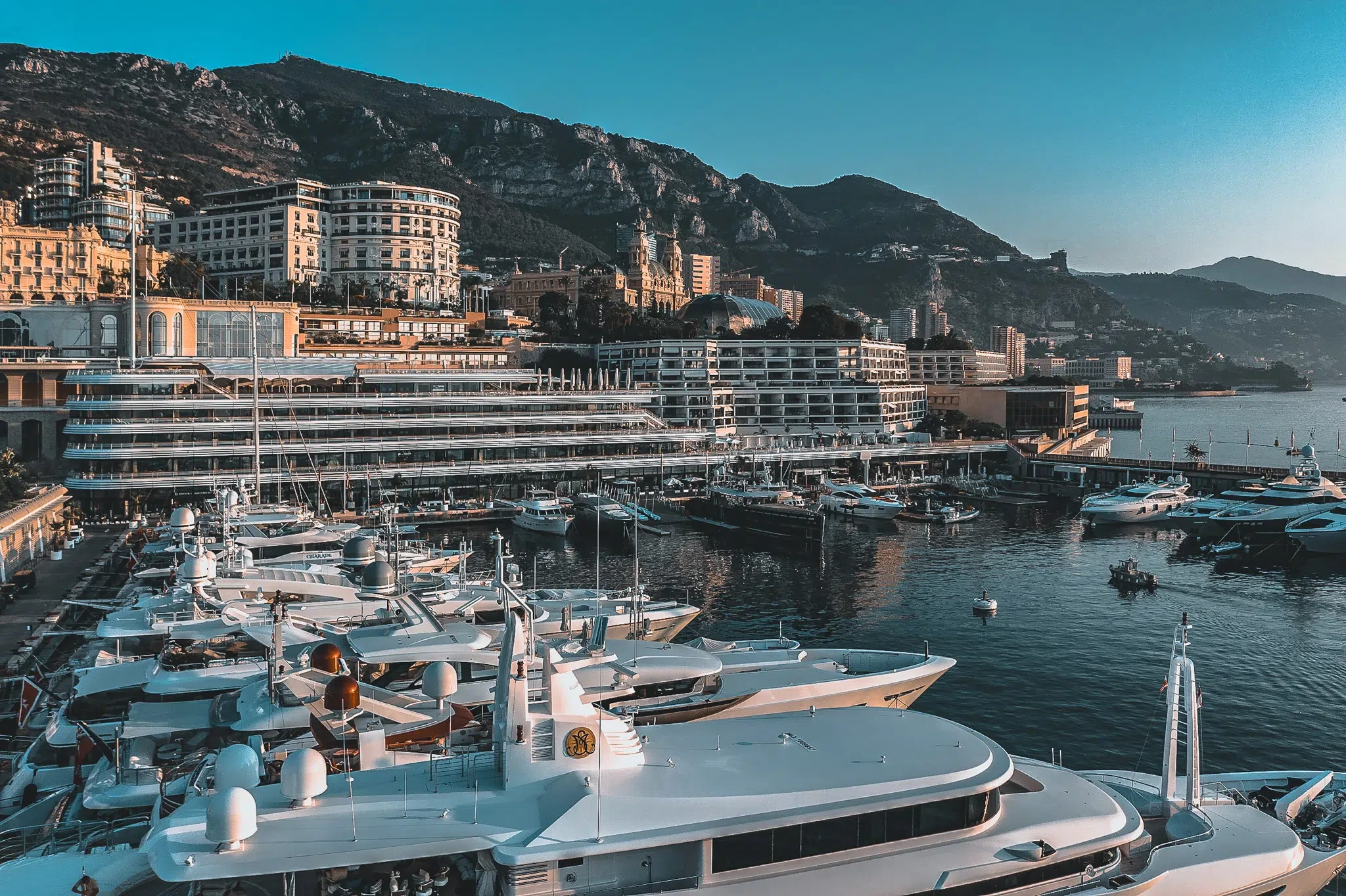
Monaco · Sovereign
The Yacht Club de Monaco announcement highlights its sailing school and transmission of maritime values.
Read the full announcementRecognition announced in September 2026. The certificate defines the recognised facilities and activities.
Yacht Club de Monaco
S3 recognition at Flagship or Sovereign level is a prerequisite to apply for La Belle Classe Destinations by Yacht Club de Monaco.
Affiliation follows a separate process and is not automatically granted with the S3 label.
Discover the Y.C.M. programmeDeveloped by M3 Monaco

M3 Monaco works on the creation, development, management and promotion of marinas, yacht clubs, sailing schools and waterfront projects.
That experience informs S3 and connects the assessment with the realities of operating a destination.
Your next step
Which activities and participant groups should the assessment cover?
info@m3monaco.com · +377 97 98 41 82